Professional doesn’t mean corporate
the need for care in software
For many of us, we spend more time in browsers than we do in our beds. They hold our work, our thoughts, and most importantly, our attention, yet most of them feel empty.
Their primary existence is to load pages, track clicks, and collect data; they function mechanically but show no consideration for how they make the user feel.
Zen was created as a direct alternative to this established norm. It began as a small but deliberate push back against the idea that software must be cold, calculating, or extractive.
Instead, Zen was built for people who value tools that respect their privacy and focus. It’s designed to be calm, private, and constructed with genuine intention.
Being open source isn't optional for us. Trust needs transparency. It's a public contract with everyone using it. Every decision happens in the open, every change is visible. Now while this may make decisions take longer, and demands more patience and clarity, it means that Zen belongs to its community, not some company.
This rebrand continues that thinking. It's a move from early experiment to something more grounded. We wanted branding that reflects what we're actually building. Calm, steady, and human. Not another corporation asking for your attention like a child who just discovered a new trick.
symbols of balance
The new Zen starts with a globe, the shape that's represented the internet since the beginning. We reimagined it as two rounded layers stacked under a complete circle. The idea came from stacked stones, cairns, that mark paths and resting places in nature. They're built with focus and patience, which felt right for what zen does.
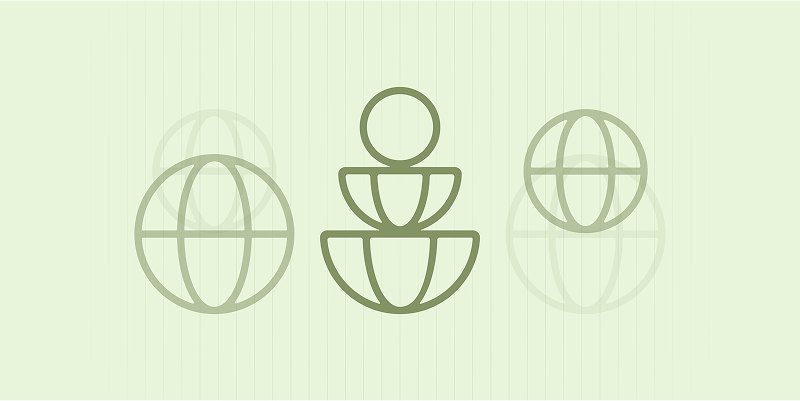
Its form isn't just decorative, we tuned every curve until it felt intentional. Softened each intersection until the shapes looked like they belonged together, as if they were melded with each other over time.
The top circle represents wholeness, completion. The layers below give stability. Together it's balanced and calm, the way zen should feel when you use it.
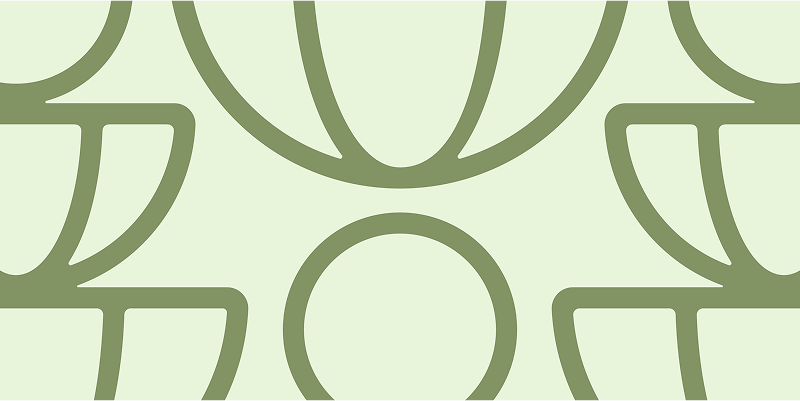
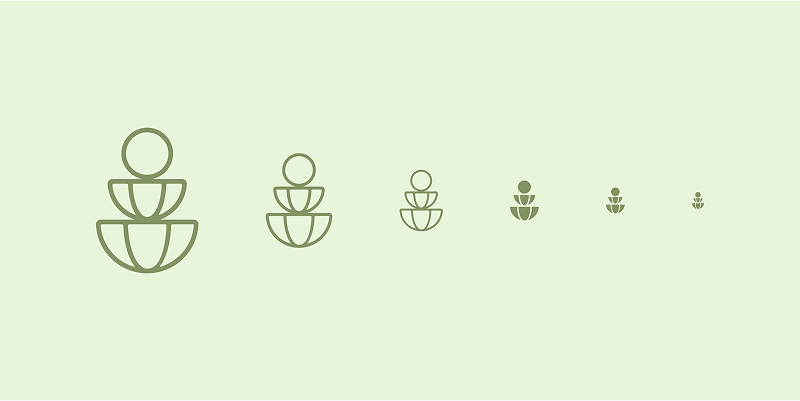
That same care shows up in execution. Two versions: outline for larger sizes where detail matters, and solid for smaller spaces like icons. Both keep the same proportions and rhythm so they're always recognisably the same mark.
The colour palette follows similar logic. The main colour is green; inspired by matcha, a finely ground green tea powder made from green tea leaves. It is used in drinks and desserts, and contains L-theanine, which helps promote calmness and focus
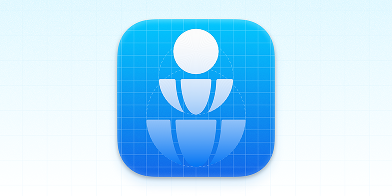
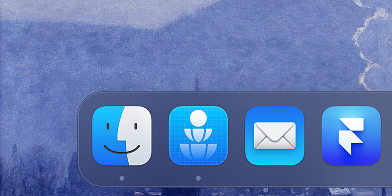
For our experimental channel we use blue. That channel is Zen Canary (a reference to miners' canaries as early warning systems). It's where new ideas show up first, less stable but more exploratory.
Green for stability, blue for curiosity. Both stay calm.
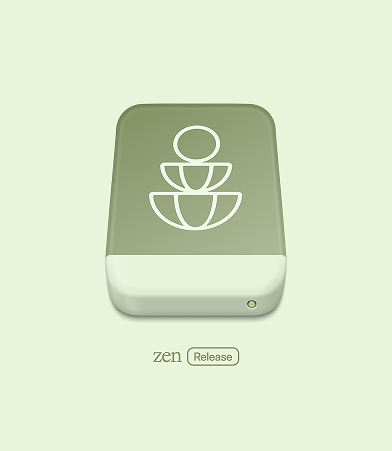
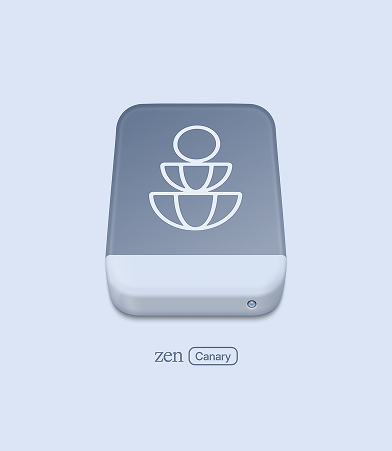
a brand with feeling
We think software should feel cared for. Not through decoration, but restraint. We wanted the brand to feel personal and deliberate, built by people who think about the daily experience of using it.
That guided our imagery choices. Instead of computer-generated art, we feature work by actual artists — paintings — made by hand. This connects zen to something older, and more human, and mirrors how we treat open source contributors. Both deserve acknowledgement.
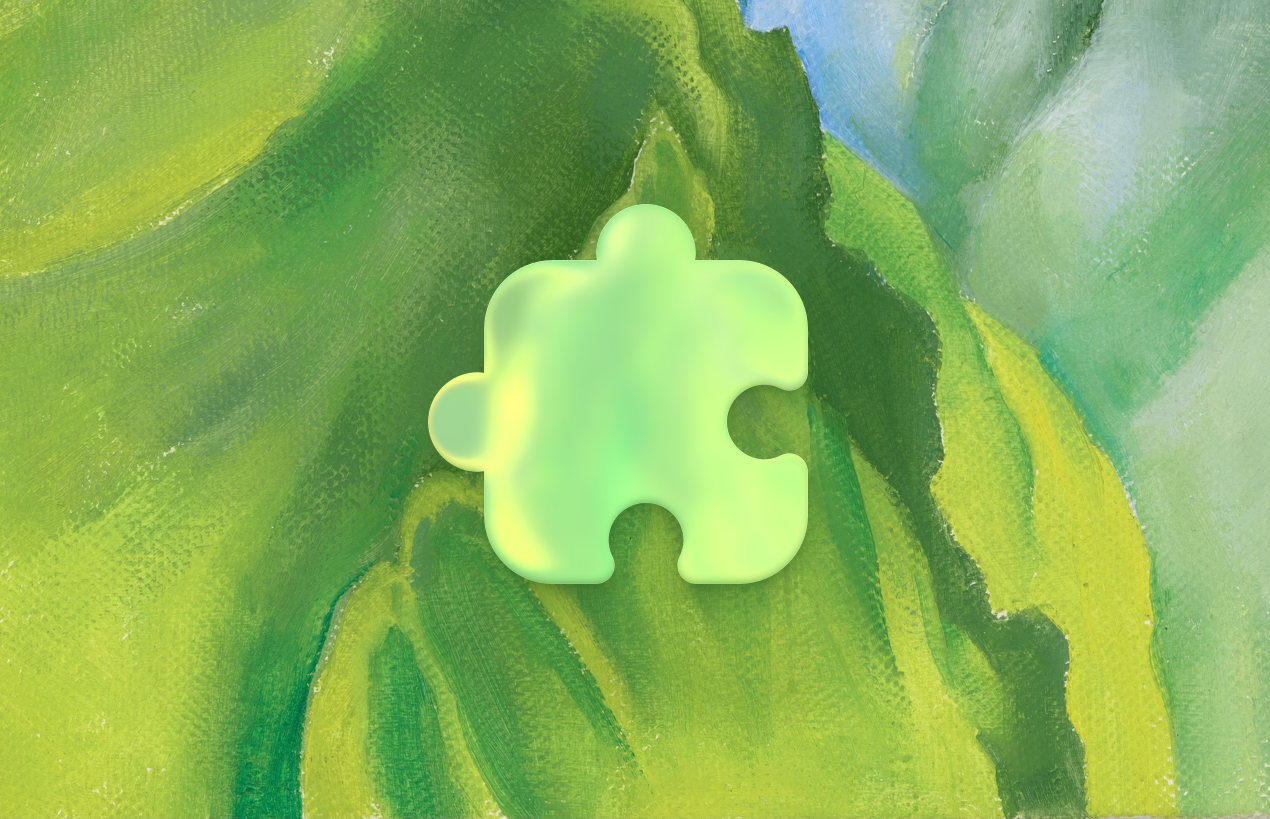
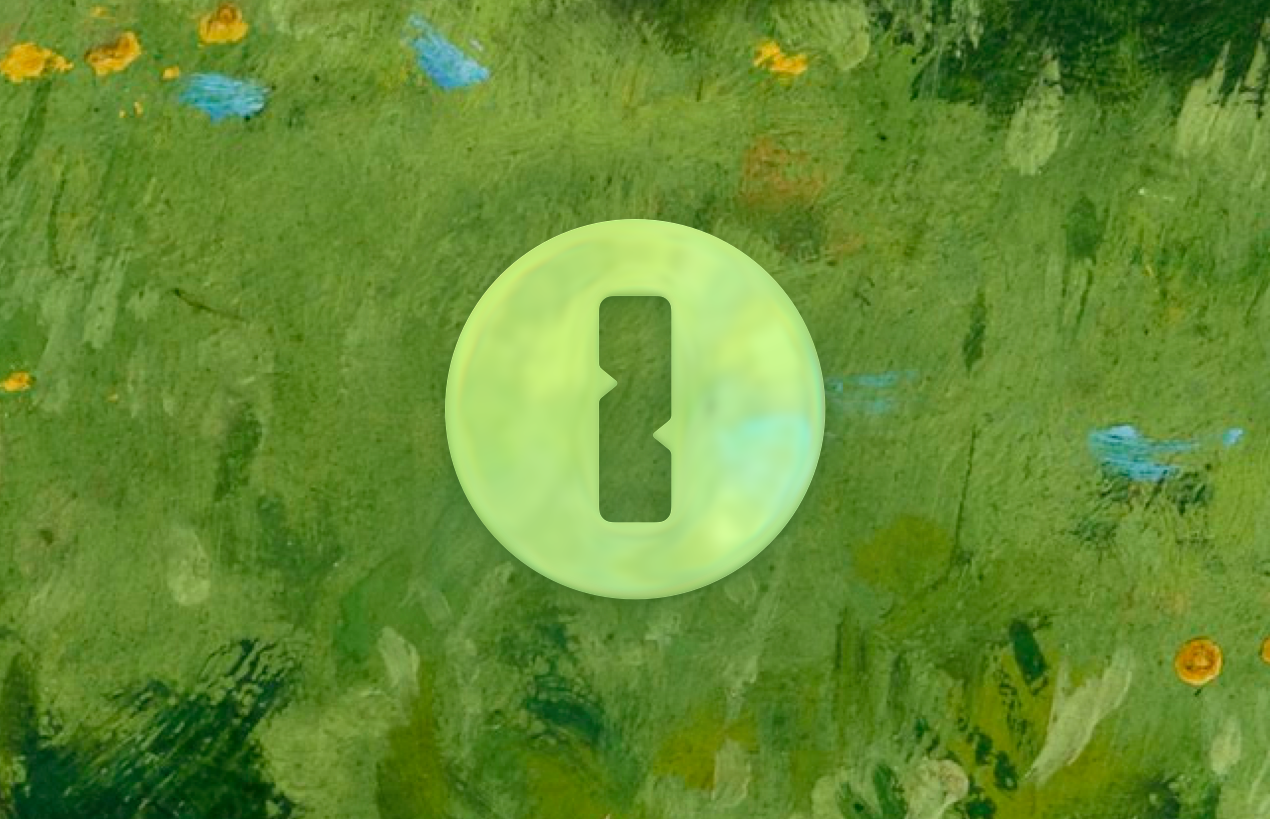
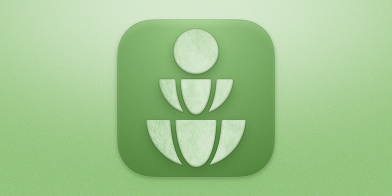
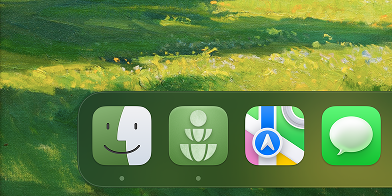
The desktop icons work a similar way. They're the first thing you see opening Zen, designed to feel familiar, almost tactile and tangible. The surfaces look smooth and grounded, like polished stone.
The canary icon has a white interior with faint sand patterns, a quiet nod to Zen's earlier design and the gardens that inspired it.
Across macOS, Windows, and Linux, the icons adapt while staying unmistakably Zen.
a type of calm
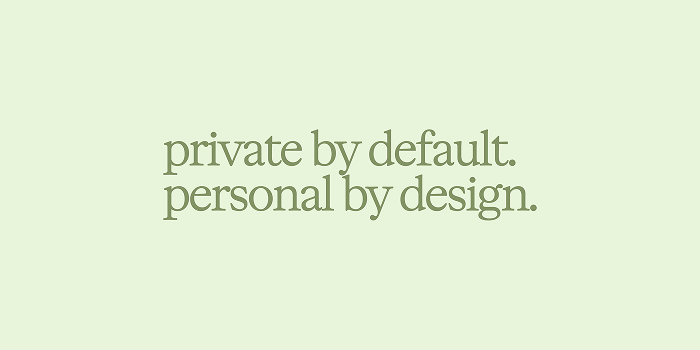
Otto, our typeface of choice, brings the same balance. It's a modern serif with soft curves and even spacing. Reads clearly at any size and never feels insincere. It has warmth from being carefully made, and simplicity from being designed to stay out of your way. Familiar without nostalgia, modern without sterility.
Type carries tone before meaning, and Otto helps Zen sound honest and approachable.
what this all means
We want Zen to feel thought through and not rushed. Something that earns trust through care, not promises that cant be quantified. In a world treating attention as a resource to mine, Zen tries to reminds you that software can serve you without taking from you.
Our new mark, colours, type, and the voice, all serve the same goal. They help the product get out of your way. They help you focus. They remind us, as builders, to keep our hands steady.
Software should care about you. This is our way of showing that we mean it.
p.s. all em dashes used in this were thoughtfully human-generated.


